Generative AI
Generative AI is a type of Narrow AI that focuses on creating new and original content such as text, images, audio, video, or computer code by learning patterns, structures, and relationships from existing data.
For example- tools like ChatGPT can generate essays, answers, or programming code.
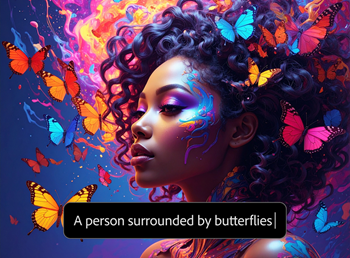
Narrow AI: This type of AI can only perform specific task like image creation/recognition, language/text processing, etc. e.g. Virtual Assistants (like Siri, Alexa), Chatbots (like Chatgpt, Gemini), etc.
Generative AI vs Conventional AI (Traditional AI)
| Generative AI | Conventional AI |
|---|---|
| AI that creates new content such as text, images, audio, or video. | AI that analyzes existing data and makes predictions or decisions. |
| It can be used for content generation. | It can be used for data analysis and decision making. |
| It creates new text, images, music, videos, or code. | It gives predictions, classifications or recommendations. |
| It learns patterns from large datasets and generates new data. | IT uses rules, algorithms, or trained models to analyze data. |
| It simulates creativity by producing new content. | It has no creativity; only analyzes data. |
| It requires very large and diverse datasets. | It can work with smaller structured datasets. |
| Examples - ChatGPT, Gemini, DALL-E, Deepart, Autodraw, Ganpaint, etc. | Examples - Spam filters, recommendation systems, voice assistants, etc. |
| Used for Content writing, image generation, coding assistance, etc. | Used for Fraud detection, medical diagnosis, face recognition, etc. |
How Generative AI works?
Generative AI works in three main stages.
- Training with large data: Large datasets are collected such as Books, Articles, Images, Videos, Websites, etc. These datasets helps to train AI.
- Learning Patterns (Model Training): AI models analyze the data and learn relationships between different elements.
For example:
In text data → grammar, sentence structure, meaning
In images → shapes, colors, textures
This training often uses deep learning neural networks. - Content Generation: When a user provides a prompt, the AI generates new content based on its learned knowledge.
Example Prompt1: “Write a short story about a robot teacher.”
The AI produces a new story based on patterns it learned from similar texts.
Example Prompt2: Create an image of a red colour fish having wings and fly on the sky
It will create an image of flying red colour fish with wings as shown in the image below.

Applications of Generative AI
- Education
- Automated tutoring
- Content generation for lessons
- Personalized learning materials
- Content Creation
- Article writing
- Blogging
- Social media content
- Software Development
- Code generation
- Debugging assistance
- Automated documentation
- Example: GitHub Copilot
- Image and Video Creation
- AI can generate realistic images and animations.
- Example: DALL-E, Deepart, Deepfake
- Healthcare
- Drug discovery
- Medical imaging analysis
- Entertainment
- Music generation
- Game design
- Script writing